An academic and practice-oriented introduction to the historical development, regional variations, character system, reading practices, and interpretation of Tankri manuscripts and inscriptions from the Western Himalaya(Himachal Pradesh).
26 – 30 October 2026
5 days · 2 hours a day
Online (Zoom) & Offline
Last date to register: 25 October 2026
This workshop offers a structured introduction to the rich diversity of regional scripts and writing traditions of the Indian subcontinent, with particular attention to Sharada, Tankri, Bhoti, Pandvani, Chandvani, Battakshari, and Pabuchi. It combines historical and cultural context with practical engagement with scripts, their development, regional variations, and textual traditions. Participants are introduced to script forms, reading practices, and selected historical materials, while exploring their significance for linguistics, history, archaeology, anthropology, cultural studies, epigraphy, and Indian Knowledge Systems. The programme aims to develop foundational script literacy and encourage direct engagement with manuscripts, inscriptions, archival records, and other primary sources for further academic and field-based research.
26 – 30 Oct 2026
2 hours a day (+1 hr reading practice, Day 3)
Online (Zoom) & Offline
Approximately 30(In-person) + 50(Online)
Tankri was used over several centuries across the hill states of the western Himalaya for administration, land records, temple accounts, correspondence and inscriptions. Descended from the Sharada family of scripts, it developed regional forms associated with Kullu, Chamba, Mandi, Sirmaur and Mahasu. A substantial body of primary material survives only in this script.
The number of trained readers has steadily declined, and the script is largely absent from mainstream academic training. Much material lies in private and community hands, so researchers often rely on existing transcriptions and secondary scholarship, which limits independent verification. The workshop responds by providing an academic foundation in reading the script.
Tankri deity and temple account books, land deeds and copper plate inscriptions let the history of the hills be written from the level of the village and the temple. It is of particular value to doctoral research at IIT Guwahati involving a corpus of fifty-nine (59) copper plate inscriptions, a substantial proportion of which are in Tankri. The workshop is an introductory foundation, but familiarity with the characters and conventions is the necessary first step towards verifiable reading.
Introduce the origin, historical development and regional use of Tankri.
Explain its relationship with Sharada, Devanagari, and Pahari dialects.
Teach basic characters, signs and regional variations through writing practice.
Develop the ability to read simple words and sentences.
Introduce approaching and reading inscriptions in Tankri and related scripts.
Discuss present-day issues around the script and prepare for further manuscript and archival work.
26 – 30 October 2026 · Tentative · Tap a day to view details.
2 hours
Concepts covered: Origin and history of Tankri; its place among the scripts of the western Himalayan region; where and by whom it was used.
2 hours
Concepts covered: How Tankri is related to Sharada and Devanagari; similarities and differences between the scripts.
2 hours + 1 hour
Concepts covered: Letters and signs of Tankri; regional variations; writing practice. Then, reading simple words and sentences, Tankri as used for Pahari dialects, and common difficulties in reading.
2 hours
Concepts covered: Introduction to inscriptions in Tankri and related scripts; how to approach and read an inscription; sample inscriptions.
2 hours
Concepts covered: Contemporary issues evolving around the script; recap of the workshop; discussion.
The course moves from context to practice — from historical setting, to letters, to reading.
Origin and history of Tankri, its place among the scripts of the western Himalayan region, and where and by whom it was used.
The relationship of Tankri with Sharada, Devanagari various pahari dialects, including similarities and differences.
The letters and signs of Tankri and its regional variations, with writing practice.
Reading simple words and sentences, Tankri as used for Pahari dialects, and common difficulties in reading.
An introduction to inscriptions in Tankri and related scripts, how to approach and read an inscription, and sample inscriptions.
Contemporary issues surrounding the script, with a recap and discussion.
By the end of the workshop, participants will be able to:
Identify the basic characters and regional variations of Tankri.
Explain its historical relationship with Sharada, Devanagari .
Read simple Tankri words and sentences.
Approach and read inscriptions written in Tankri and related scripts at an introductory level.
Apply this foundational script-reading skill to primary-source research in history, archaeology, anthropology, linguistics and Indian Knowledge Systems.
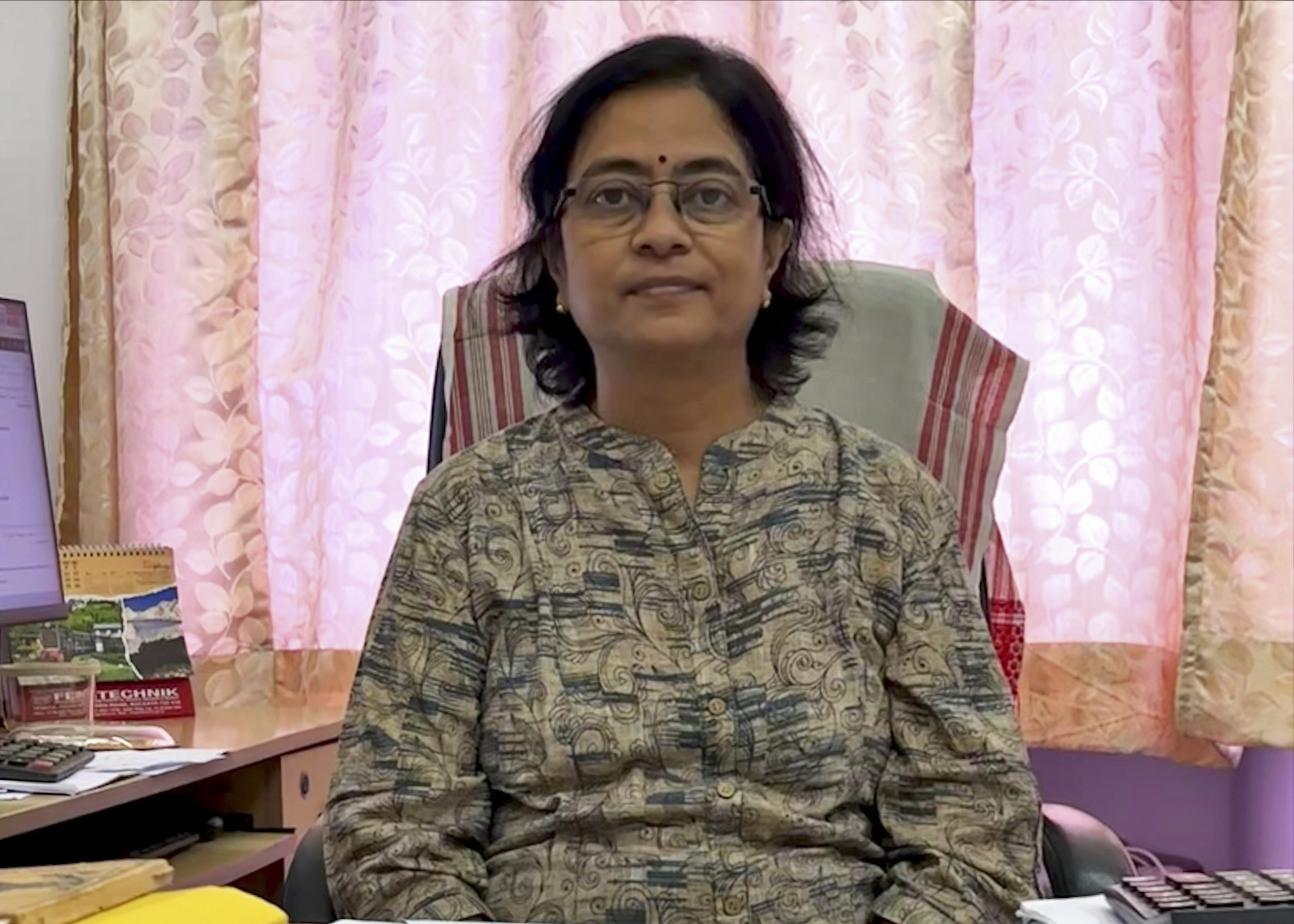
Faculty, Humanities and Social Sciences, CIKS, IIT Guwahati
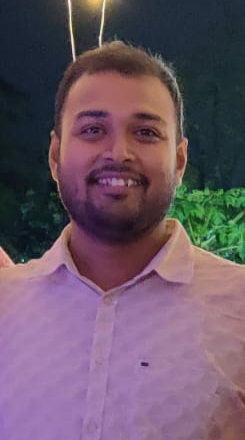
sukanya@iitg.ac.inProf. Sukanya Sharma teaches Archaeology in The Department of Humanities and Social Sciences, IIT Guwahati. Her research interest in multi disciplinary. She has published 4 books, about 60 research papers in national and international journals. She has designed the Virtual Anthropology Laboratory which has won awards in the e learning category. Her successfull experiments in the field of producing absolute dates from vintage pottery samples, mapping the development of the pottery craft of Assam from 2700 years before present till the present are some of her successfull projects.Her current projects are in the areas of Cultural Heritage Management, Ancient Mettallurgical traditions and Indigenous agriculture of Northeast India.
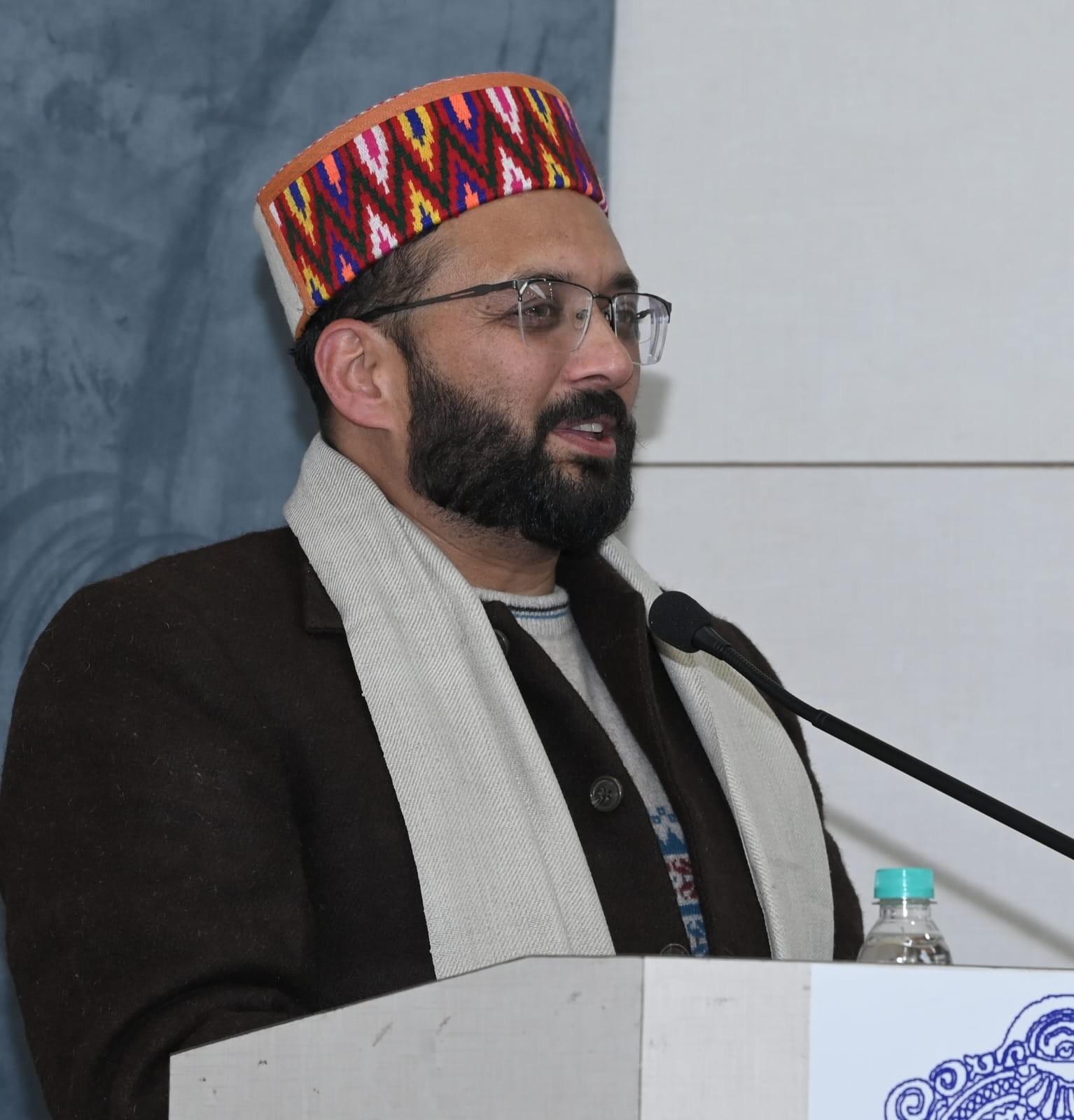
Independent Epigraphist and Tankri Palaeographer · Kullu, Himachal Pradesh
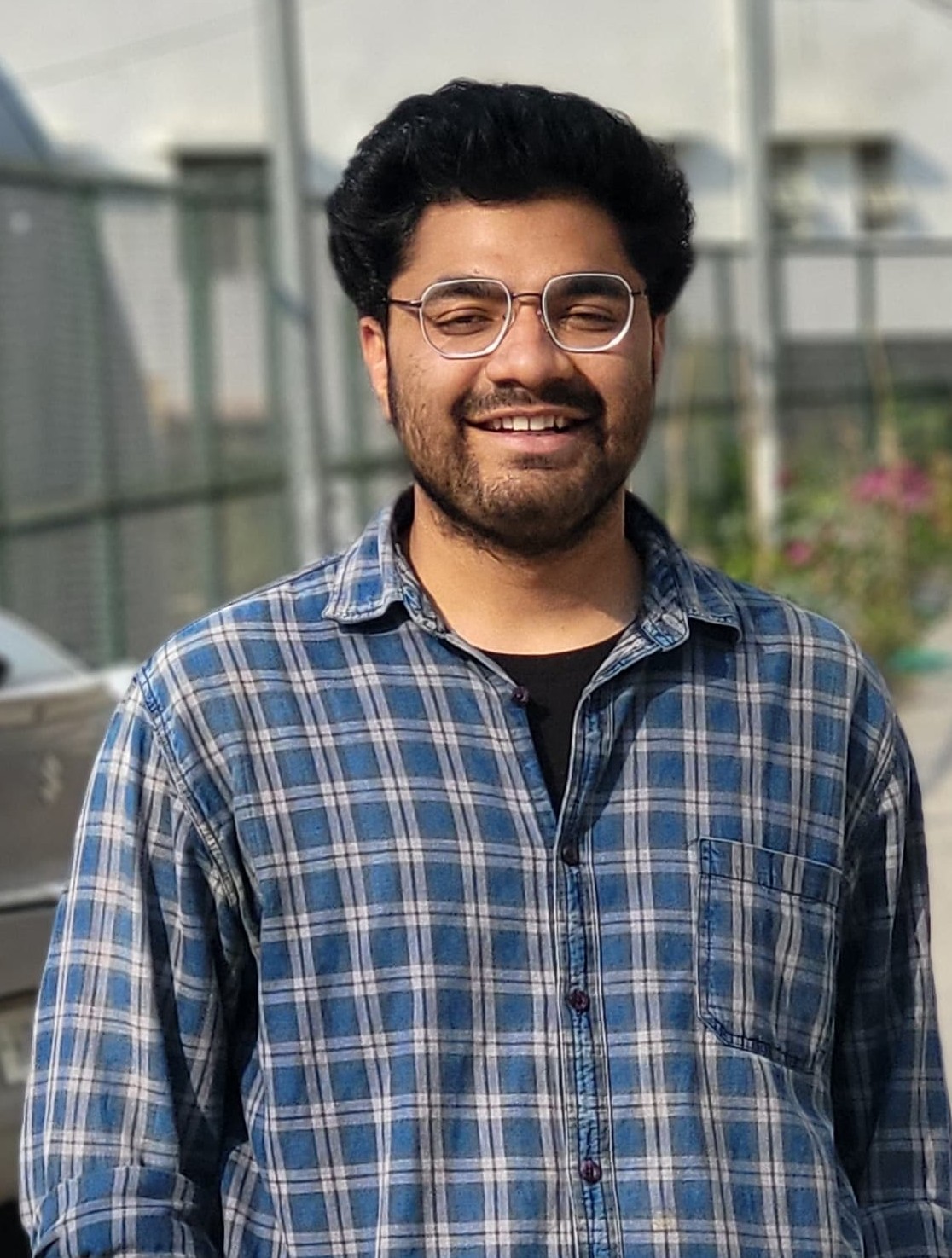
From Kullu district, Himachal Pradesh, Mr Pandit is an epigraphist and Tankri palaeographer with more than a decade of fieldwork across the western Himalaya (2015 to present). His expertise is built on hands-on work with the script, including script immersion under Harikrishna Murari, Kangra (2018–2019). He is the Founder and Lead Researcher of the Himalayan Script Revival Initiative, Kullu.
Students, research scholars, faculty, independent researchers and others interested in history, archaeology, anthropology, linguistics, Indian Knowledge Systems and the western Himalaya.
No prior knowledge of Tankri or Sharada is required. Basic reading and writing ability is enough.
Based on engagement, attendance, participation, practice, and the ability to recognise and read the script and selected texts.
Final criteria will be based on attendance and participation.
No specialised software is required. Online sessions run on Zoom.
Worksheets and sign lists will be shared in print and digital form.
All fees are inclusive of 18% GST
₹590
Total payable, incl. GST
₹1,180
Total payable, incl. GST
No. No prior knowledge of Tankri, Sharada or any other script is required. You need only a basic ability to read and write and an interest in historical or cultural research.
Yes. Sessions run on Zoom, and the workshop is also offered offline. Both modes follow the same five-day schedule.
Each day is a two-hour session. On Day 3 there is an additional one-hour reading practice.
Yes. The instructor's worksheets and sign lists will be shared with participants in print and in digital form, along with reading and writing exercises and sample texts.
Assessment is based on your engagement, attendance, participation, practice, and your ability to recognise and read the script and selected texts. The final criteria will be communicated by the instructor and organisers.
Students, research scholars, faculty members, independent researchers and others working in history, archaeology, anthropology, linguistics, Indian Knowledge Systems, cultural studies or the western Himalayan region.
Last date to register: 25 October 2026
For registration, schedule or queries about the workshop, contact the organisers directly.